
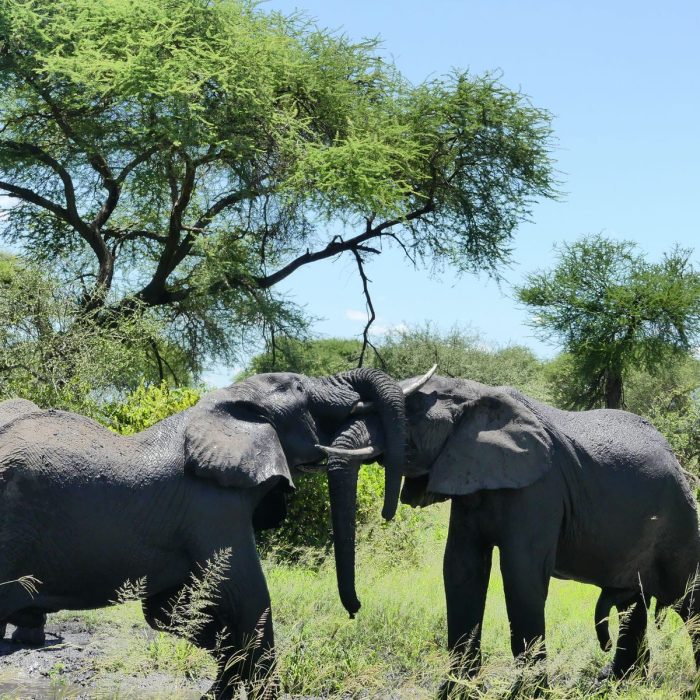
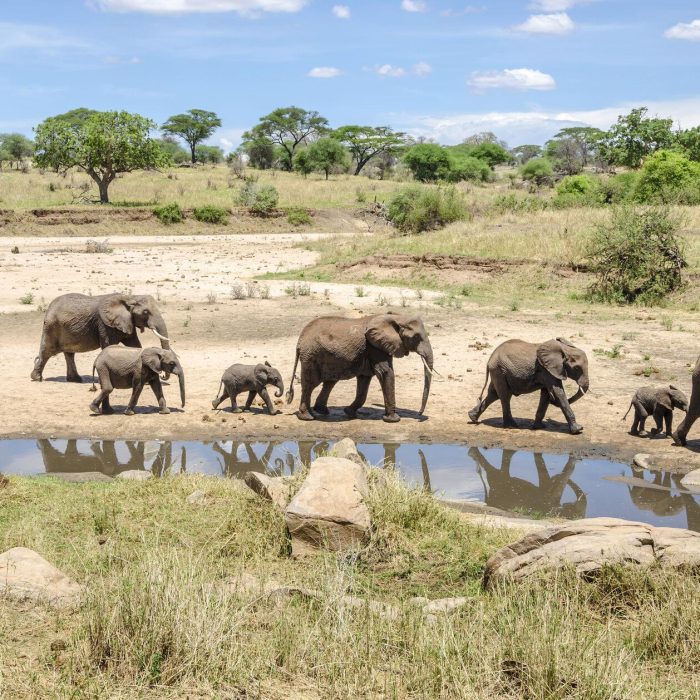
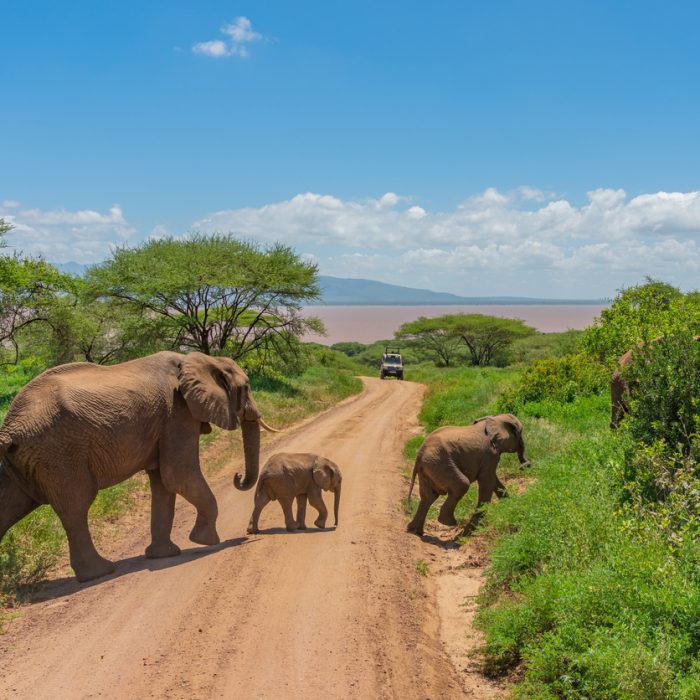
Tarangire National Park is famous for its majestic Baobab trees, which grow to incredible sizes and have distinctive, almost otherworldly shapes. The park is also renowned for hosting the largest concentration of elephants in the world. Here, you may encounter herds of up to 300 elephants gathered along the Tarangire River.
The river serves as the lifeline of the park, providing fresh water to countless animals. During the dry season, wildlife congregates along its banks to drink, graze, or enjoy a refreshing mud bath under the scorching sun. As the season advances and surface water dwindles, elephants showcase their remarkable intelligence by digging into the riverbed to uncover hidden underground springs. They also turn to the water-storing Baobab trees, tapping into their reserves to quench their thirst.


A safari to Tarangire National Park with Bingo Safaris is more than just a trip—it’s an authentic African adventure crafted with expertise, comfort, and passion. Tarangire is famous for its ancient baobab trees, sweeping savannah landscapes, and the largest herds of elephants in Tanzania. But experiencing it with the right safari company makes all the difference.
Our professional guides are born and raised in Tanzania, giving them unmatched knowledge of Tarangire’s unique ecosystem. They know the best times and locations to spot wildlife—from elephant herds at the Tarangire River to elusive predators like leopards and cheetahs. With us, every drive is enriched with stories, facts, and insights that bring the park to life.
At Bingo Safaris, no two trips are the same. We carefully design each safari based on your preferences—whether you’re a wildlife enthusiast, a passionate photographer, a couple on a romantic escape, or a family with kids. You get a personalized itinerary that balances game drives, relaxation, and cultural experiences.
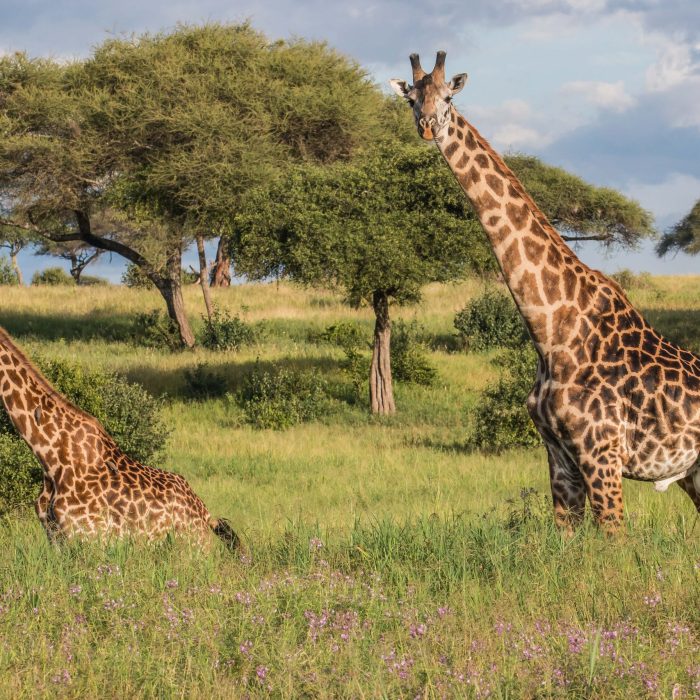
Tarangire is a wildlife paradise. Alongside elephants, you’ll find buffalo, giraffes, wildebeests, lions, leopards, cheetahs, and even tree-climbing pythons. Bird lovers will be amazed by the park’s 400+ bird species, including colorful bee-eaters, hornbills, and the rare yellow-collared lovebird. With Bingo Safaris, you’re assured of the best opportunities to see and photograph this incredible biodiversity.
Your comfort and safety are our priority. Our safari vehicles are well-maintained, spacious, and equipped for both short game drives and full-day explorations. We also handpick accommodations—from charming tented camps to luxury lodges—that allow you to stay close to nature without sacrificing comfort.
With Bingo Safaris, you’re not just a guest—you’re family. Our team is passionate about sharing Tanzania’s beauty, culture, and traditions. From warm welcomes to personalized service, every part of your journey reflects the true spirit of Tanzanian hospitality.
A trip with us goes beyond wildlife. We can also include cultural visits to nearby Maasai villages, walking safaris, or hot-air balloon rides over the savannah, giving you a complete and unforgettable Tarangire experience.
Before heading to Tanzania for your safari holiday, you might wonder what kind of weather to expect in Tarangire National Park. The climate here is similar to the other parks in the northern circuit such as Serengeti and Lake Manyara—generally temperate, mild, and comfortable year-round.
Most travelers find the weather enjoyable, with sunny days and cool mornings or evenings. You may want to bring a light jacket or sweater for early morning or night game drives, but it never gets uncomfortably cold. Even when the sun is bright, the heat is moderate, so you can explore the outdoors without feeling overwhelmed.
This makes Tarangire a great destination at any time of year.
Tarangire Seasons
Like much of northern Tanzania, Tarangire has two main seasons:
Dry Season (June – October)
Wet Season (November – May)
The wet season itself is divided into two: the short rains (November–December) and the long rains (March–May).
Short Rains (November – December)
Rain showers are brief and scattered, often lasting just a few hours. Many days see no rain at all, so your safari is unlikely to be disrupted. Temperatures range between 17°C (62.6°F) and 29°C (84.2°F).
January – February
This is a transitional period. Some years these months are almost dry, while others bring light rain. Temperatures are warm, averaging 16°C–30°C (60.8°F–86°F).
Long Rains (March – May)
This is the wettest time of year. Expect frequent rains, cloudy skies, and muddy conditions. It doesn’t rain all day, but showers are common. April is usually the rainiest month. Temperatures range between 16°C–29°C (60.8°F–84.2°F). While the rains can make walking safaris challenging, the park is lush, green, and beautiful during this period.
What to Expect During the Dry Season
From June to October, Tarangire enjoys a long, dry season. Rain is rare, skies are clear, and wildlife viewing is excellent as animals gather around the Tarangire River.
June–July: Cool and comfortable with daily averages between 14°C–24°C (57°F–75°F).
August: Slightly warmer, with averages between 14°C–25°C (57°F–77°F).
September: Temperatures climb to 15°C–28°C (59°F–82°F).
October: Similar to September, but the first rains may arrive late in the month, adding some humidity.
This is the best time for wildlife viewing, as the dry landscape concentrates animals around water sources.
What to Expect During the Wet Season
November–December (Short Rains): Occasional showers, warm and pleasant. Wildlife is still easy to spot.
January–February: Can be dry or mildly rainy. Warm temperatures make it a popular safari season.
March–May (Long Rains): Frequent rains, lush green landscapes, and fewer tourists. The park feels fresh and alive, though some roads can be muddy.
Summary:
Tarangire’s climate is mild and comfortable year-round.
Dry season (June–October) is best for game viewing.
Wet season (November–May) brings greenery, birdlife, and fewer crowds.
The Tarangire national park is found on the northern part of Tanzania and at the southern part of the lake Manyara. It is located in the Manyara region and 76 kilometers from the Arusha region. It takes 2 hours and 51 minutes drive from Arusha town to Serengeti national park.
It’s called Tarangire national park because of the River which crosses through this national which is also the heart and soul of this national park as it acts as the source of water for the wild animals that are found in this national park throughout the year.
There are two major way to get into the Tarangire national park which is either the use of road or air transport. They all begin form the Arusha then fly to Tarangire national park or use the road from the Kilimanjaro air port to Tarangire which is 2 hours and 51 minutes. You can use the chartered flights from Arusha to Serengeti then to Tarangire.
The Tarangire national park is quite large and it covers the total area of 2,850 kilometers (1,100 square miles).