Ngorongoro Conservation Area

Overview

The Ngorongoro Conservation Area is one of Africa’s most spectacular safari destinations, spanning over 8,000 km² (3,200 sq. miles) between the Serengeti and the Great Rift Valley. Its diverse landscapes of forests, grasslands, lakes, and craters are home to an incredible variety of wildlife.

At its heart lies the Ngorongoro Crater, the world’s largest intact volcanic caldera. Formed millions of years ago when a giant volcano collapsed, the crater now shelters a unique ecosystem and the highest density of animals in Africa.

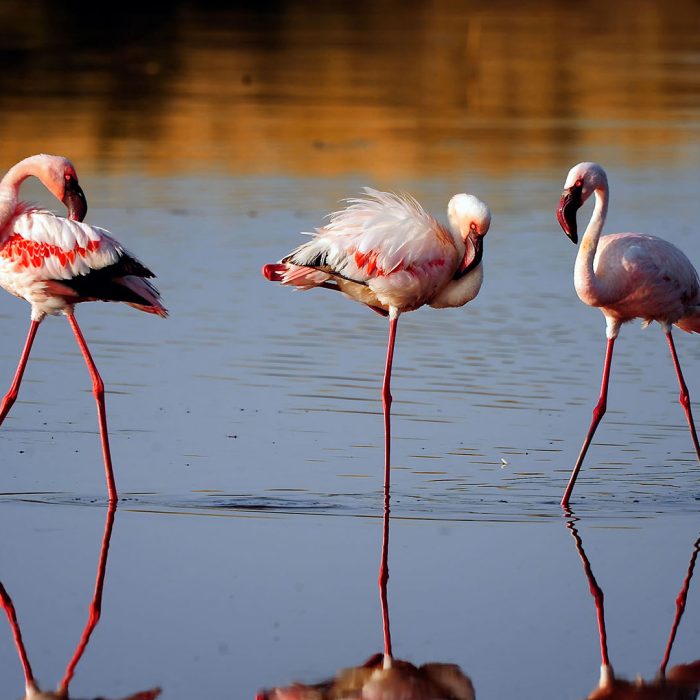
Here, visitors can spot zebras, buffaloes, elephants, flamingos, ostriches, hippos, and baboons, along with an impressive number of predators including lions, hyenas, cheetahs, and leopards. The crater is also one of the best places in Tanzania to see the Big Five—buffalo, elephant, leopard, lion, and the endangered black rhino.

With its dramatic scenery and unmatched wildlife viewing, Ngorongoro is truly a “Garden of Eden” and a must-visit on any Tanzanian safari.

Start planning your unforgettable Ngorongoro safari

Let Bingo Safaris take you on a journey of a lifetime—wildlife, landscapes, and memories await
Edit Content

Arusha is not just a gateway city—it is one of the most vibrant and essential highlights of any Tanzania safari. Often referred to as the Safari Capital of Northern Tanzania, Arusha offers a unique blend of natural beauty, culture, and adventure, making it far more than a simple starting point for wildlife journeys.

Nestled at the foothills of Mount Meru and surrounded by lush landscapes, Arusha is where breathtaking scenery meets rich cultural heritage. From coffee plantations and local markets to nearby national parks such as Arusha National Park, the city provides a refreshing mix of urban charm and wilderness experiences. Its cool climate and panoramic views create a welcoming atmosphere for travelers arriving in East Africa.

Whether you’re a first-time visitor to Tanzania or a seasoned safari enthusiast, Arusha delivers memorable experiences at every turn. Enjoy scenic walks beneath Mount Meru, explore Maasai culture, or relax before and after your safari adventures—this is a place where Tanzania’s safari spirit truly comes alive.

Quick Facts on Arusha National Park

  • Home to Mount Meru and the Momella Lakes Arusha National Park is home to Mount Meru, Tanzania’s second-highest peak at 4,566 meters (14,980 feet), and the scenic Momella Lakes, a series of shallow alkaline lakes known for their rich birdlife, including flamingos. The park uniquely combines montane forests, open savannah, and alpine landscapes within a compact area, offering diverse wildlife and dramatic scenery close to Arusha city.
  • Gateway to Tanzania’s Northern Safari Circuit Arusha National Park is not a UNESCO World Heritage Site, but it is highly valued for its exceptional ecological diversity and scenic beauty. The park protects a unique range of habitats—from lush montane forests and open savannah to alpine zones on Mount Meru—while also preserving important wildlife corridors and rich birdlife, making it a key conservation area in northern Tanzania.
  • Black Rhinos Refuge The crater is one of the last safe havens for the critically endangered black rhino, with a small but stable population protected in the area.
Edit Content

 Ngorongoro Crater Weather – Month-by-Month Guide

Thanks to its high elevation, the Ngorongoro Crater stays cooler and more temperate than other safari regions. Wildlife is present year-round, but seasonal changes affect scenery, road conditions, and animal behavior. Here’s what to expect each month:

 January – Calving Begins

Weather: Warm and mostly dry with occasional light showers
Temperature: 20–25°C (68–77°F)
Highlights: Wildebeest begin calving in the southern Serengeti; predator activity increases. A great time for photography and newborn sightings.
Packing Tip: Bring light layers and sun protection.

 February – Calving Season Peaks

Weather: Still warm with some rain, mostly in the evenings
Temperature: 20–24°C (68–75°F)
Highlights: Peak of calving season; large herds and predator action. Lush landscapes with good light for photographers. Fewer crowds than peak season months.

 March – Rains Begin

Weather: Increasing rainfall, especially mid to late March
Temperature: 18–22°C (64–72°F)
Highlights: Beginning of the long rains. Still good for wildlife but expect muddier conditions. Fewer tourists = more intimate safari experience.
Packing Tip: Bring waterproof gear and closed shoes.

 April – Wettest Month

Weather: Long rains in full swing, with daily showers
Temperature: 16–20°C (60–68°F)
Highlights: Lush, green crater floor; birdlife is excellent. Wildlife remains abundant, but game drives may be slower due to slippery roads. Best for budget travelers and photographers wanting rich landscapes.

 May – Rains Taper Off

Weather: Showers continue, but decrease toward the end of the month
Temperature: 15–20°C (59–68°F)
Highlights: Still green and quiet. A transition month, often overlooked but very rewarding. Wildlife still easy to spot in the crater.

 June – Dry Season Begins

Weather: Dry, cool, and crisp
Temperature: 14–20°C (57–68°F); cold mornings
Highlights: Start of peak safari season. Clear skies, fresh air, and animals gathering near water sources.
Packing Tip: Bring warm clothing for early drives.

 July – Prime Safari Time

Weather: Cool and completely dry
Temperature: 12–20°C (54–68°F)
Highlights: Excellent wildlife viewing; big cats, elephants, rhinos, and more are active. High demand – book early!

 August – Cool & Crisp

Weather: Dry, with chilly mornings and evenings
Temperature: 10–20°C (50–68°F)
Highlights: Fantastic visibility; no rain, and animal activity is high. Perfect time for photographers and first-time visitors.

 September – Ideal Conditions

Weather: Still dry, starting to warm slightly
Temperature: 12–22°C (54–72°F)
Highlights: Consistently great wildlife viewing; a balance between fewer crowds and great weather. Recommended for honeymooners and small groups.

 October – End of Dry Season

Weather: Warming up, with occasional showers late in the month
Temperature: 14–24°C (57–75°F)
Highlights: Wildlife viewing remains strong before the short rains. Dusty landscapes begin to green up. Good mix of game viewing and comfortable travel.

 November – Short Rains Begin

Weather: Light, scattered afternoon showers
Temperature: 18–25°C (64–77°F)
Highlights: Fresh greenery returns; great light for photography. Wildlife is still concentrated in the crater. Fewer tourists and lower rates.

 December – Green & Beautiful

Weather: Intermittent rain, mostly early in the month
Temperature: 18–25°C (64–77°F)
Highlights: Lush scenery, festive safari season, and returning migratory birds. A beautiful time to visit before the new calving season begins.

 Quick Tips from Bingo Safaris

Best Time to Visit: June to October (Dry season – top for game viewing)
Best for Scenery & Photography: January to March and April–May (Green season)
Year-Round Wildlife: Thanks to the crater’s enclosed ecosystem, animals don’t migrate, so game drives are rewarding any month!

Edit Content

 Best Time to Visit Ngorongoro Crater | Bingo Safaris

The Ngorongoro Crater is a year-round safari destination, thanks to its permanent water sources and incredible wildlife density. However, depending on your interests—whether it’s wildlife viewing, photography, or avoiding the crowds—some months offer unique advantages.

🌞 Dry Season (June to October) – Best for Wildlife Viewing

Why go:

  • Animals gather around water sources, making them easier to spot.

  • The vegetation is thinner, improving visibility.

  • Pleasant daytime temperatures and minimal rainfall.

Perfect for:

  • Seeing the Big Five (especially lions and black rhinos)

  • Crisp, clear photography

  • First-time safari-goers

Keep in mind: This is peak tourist season, so the crater can be busy. Early morning game drives are recommended.

🌧️ Green Season (November to May) – Lush Landscapes & Fewer Crowds

Why go:

  • The crater becomes a lush green paradise after the rains begin.

  • Ideal for birdwatching, with migratory species arriving.

  • Fewer visitors mean a more exclusive experience.

Perfect for:

  • Photographers and nature lovers

  • Those seeking a quieter safari

  • Bird enthusiasts (especially from January to March)

April & May: These months are part of the long rainy season. Some roads may be muddy, but wildlife is still active—and lodge prices are lower.

🌸 Calving Season (Late January to March)

During these months, thousands of wildebeest and zebra give birth on the nearby Ndutu plains (part of the greater Ngorongoro Conservation Area). Predator action increases, and it’s a dramatic time to visit.

Bingo Safaris Tip:

No matter when you visit, Ngorongoro offers outstanding safari experiences. Let us help you choose the perfect time based on your travel style and safari goals.

📅 Ready to plan your trip?
👉 Contact Bingo Safaris today and let’s craft your personalized Ngorongoro adventure.

Ngorongoro Conservation Area Map.

Ngorongoro Conservation Area FAQs

Ngorongoro has two major seasons. Rainy season and dry season. Each season has its beauty; it only depends on what you need to see as all the seasons are enjoyable.

Rainy Season which is November to April is more attractive as it is the time for wildebeest to breed and the breeding attracts large number of predators. Even more so in late February and March it’s the best time to see Wildebeest migration than in other months of the year.

It is a time when migrant birds from other continents of the world come to many parts of Ngorongoro; multi-colored flowers bloom which in turn draws the butterflies and makes the area becomes more stunning and beautiful.

Another thing that can surprise and fascinate you is the clouds. A thick cloud in the morning seems to cover the edges of the crater and sometimes the crater itself; and On the plains and especially the area’s leading up to Ndutu; you’ll notice it’s like clouds are pouring into the ground and as you approach them you encounter rain; you will see as the clouds form themselves and become rain.

The short grass plains namely Ndutu and Ngorongoro are very interesting during this period. However, they are periods when rainfall is present in different areas and therefore you should be prepared and especially advised to use a four-wheel drive to avoid getting stuck in muddy areas.

Dry Season which are the months of May and October are also interesting for game viewing. In Africa it is common to do tourism during the dry season as animals are mostly in areas with water sources.  For Ngorongoro this is absolutely true because first of all what makes animals present in abundance in the crater floor is plenty of food, water and grazing areas. However, in Ngorongoro there are those animals that they do not migrate; they are always there so not seeing them is very rare.

  1. Base on Attractions
  2. Roads
  3. Weather

It was formed around 2 to 3 million years ago when a large volcano erupted and collapsed in on itself, creating the 610-meter (2,000 feet) deep crater.

You can spot the Big Five: lion, leopard, elephant, buffalo, and black rhino. Other animals include zebras, wildebeest, hyenas, hippos, and various antelopes and birds.

Vehicles allowed to decent down the crater are the one with four wheel drive. However; other vehicles can access the area.

Yes, safaris into the crater must be accompanied by a certified guide from a registered tour company.

Yes, it is considered very safe for tourists. However, you must follow park regulations and stay inside your vehicle during game drives.

Yes. There are several high-end lodges and mid-range camps on the crater rim and within the conservation area (e.g., Ngorongoro Serena Lodge, Ngorongoro Sopa Lodge).

Game drives inside the crater are limited to 6 hours per day per vehicle.