
The word “Serengeti” originates from the Maasai word ‘Siringet’, meaning “endless plains.” Visiting Serengeti National Park offers a world of wildlife and African flora. Here, adventure awaits through wildlife viewing safaris and scenic game drives, either on foot or by vehicle.
With your loved ones, explore the wonders of Serengeti National Park! On a guided game drive, you may walk among giraffes, zebras, and elephants in their natural habitats. You can also hike or bike across this vast wilderness, covering over 100 kilometers, and take in everything—from rolling grasslands teeming with life to majestic snow-capped mountains rising against the azure sky.
Trek deep into some of Africa’s last remaining wilderness areas for truly once-in-a-lifetime experiences.
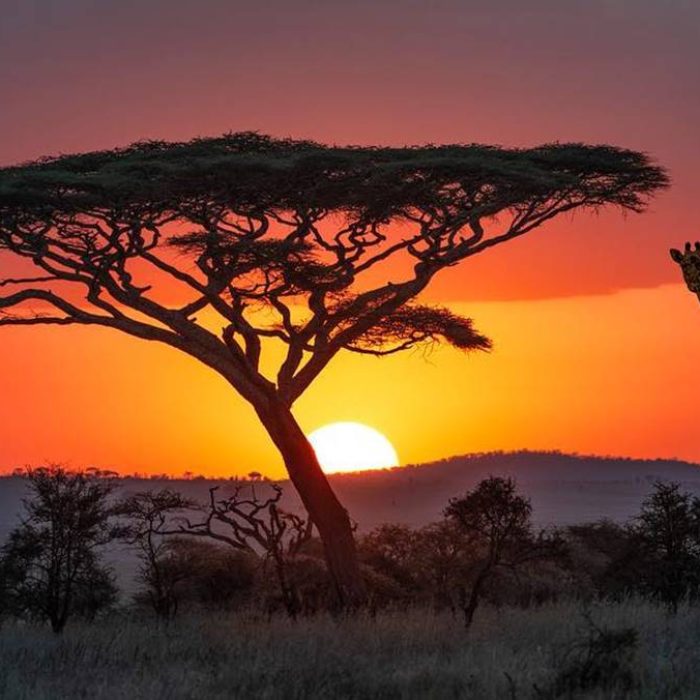
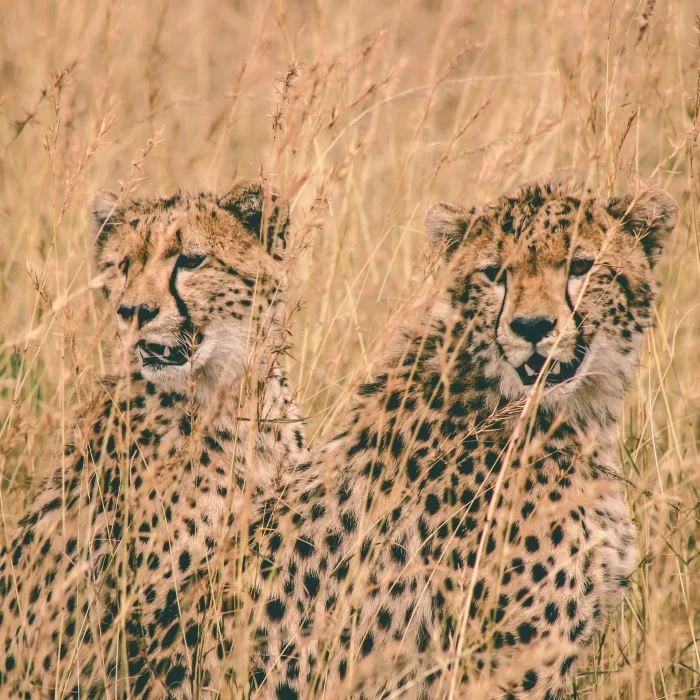
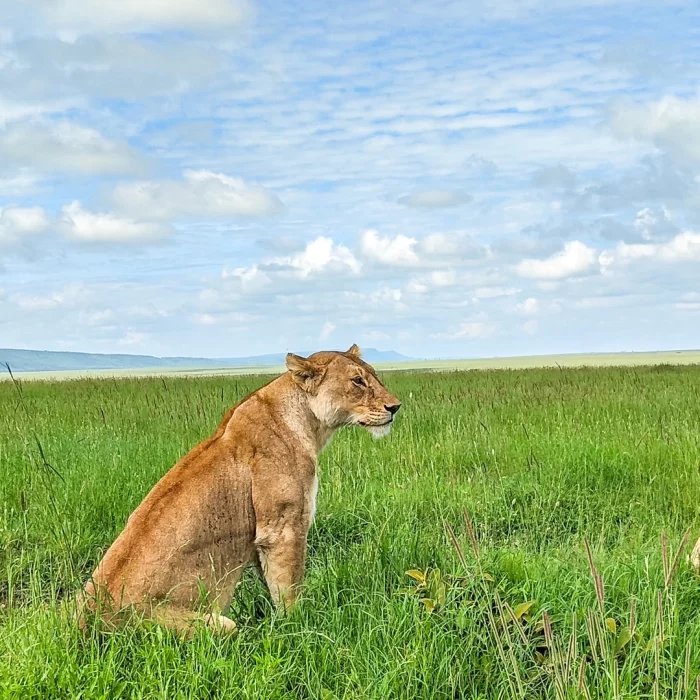
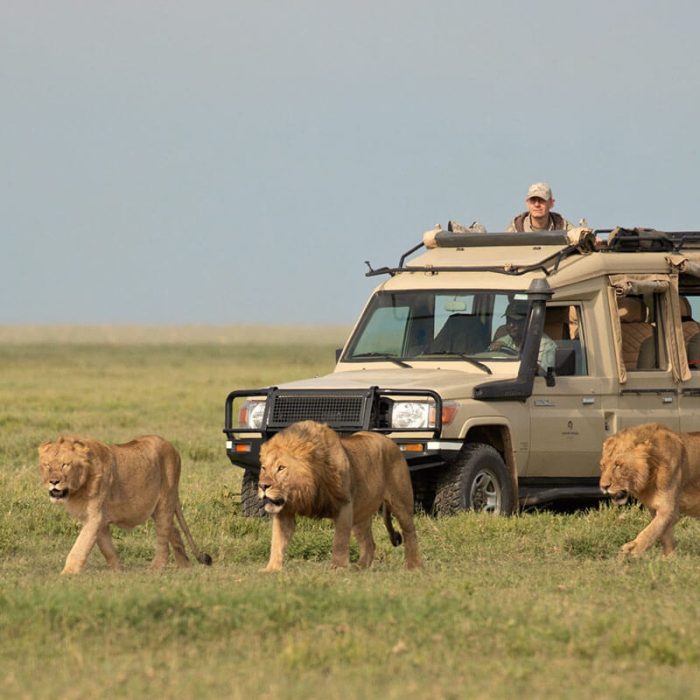
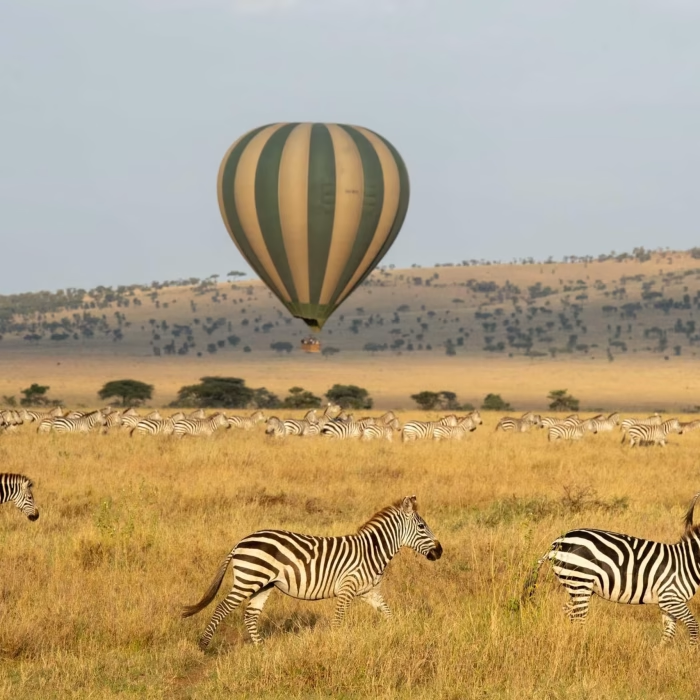
The Serengeti is not just a national park—it’s one of the greatest wildlife sanctuaries on Earth, a place where nature still follows its ancient rhythms, and the wild remains truly wild. It is the beating heart of African safari adventures, drawing travelers from around the world to witness its raw beauty, abundant wildlife, and legendary landscapes.
When people dream of Africa, they imagine the vast golden plains, majestic lion prides, and the thunder of millions of hooves crossing open savannas—that dream is the Serengeti. Here, you don’t just see nature—you feel it, alive and untamed, in every sunrise, every game drive, and every unforgettable moment.
From the pulse-pounding drama of the Great Wildebeest Migration, to the quiet magic of a cheetah stalking its prey at dawn, the Serengeti offers a front-row seat to the greatest natural show on the planet. It’s a place where you reconnect with the Earth, experience timeless wilderness, and collect memories that stay with you forever.
Here’s what makes the Serengeti truly special—and why no Tanzania safari is complete without it:
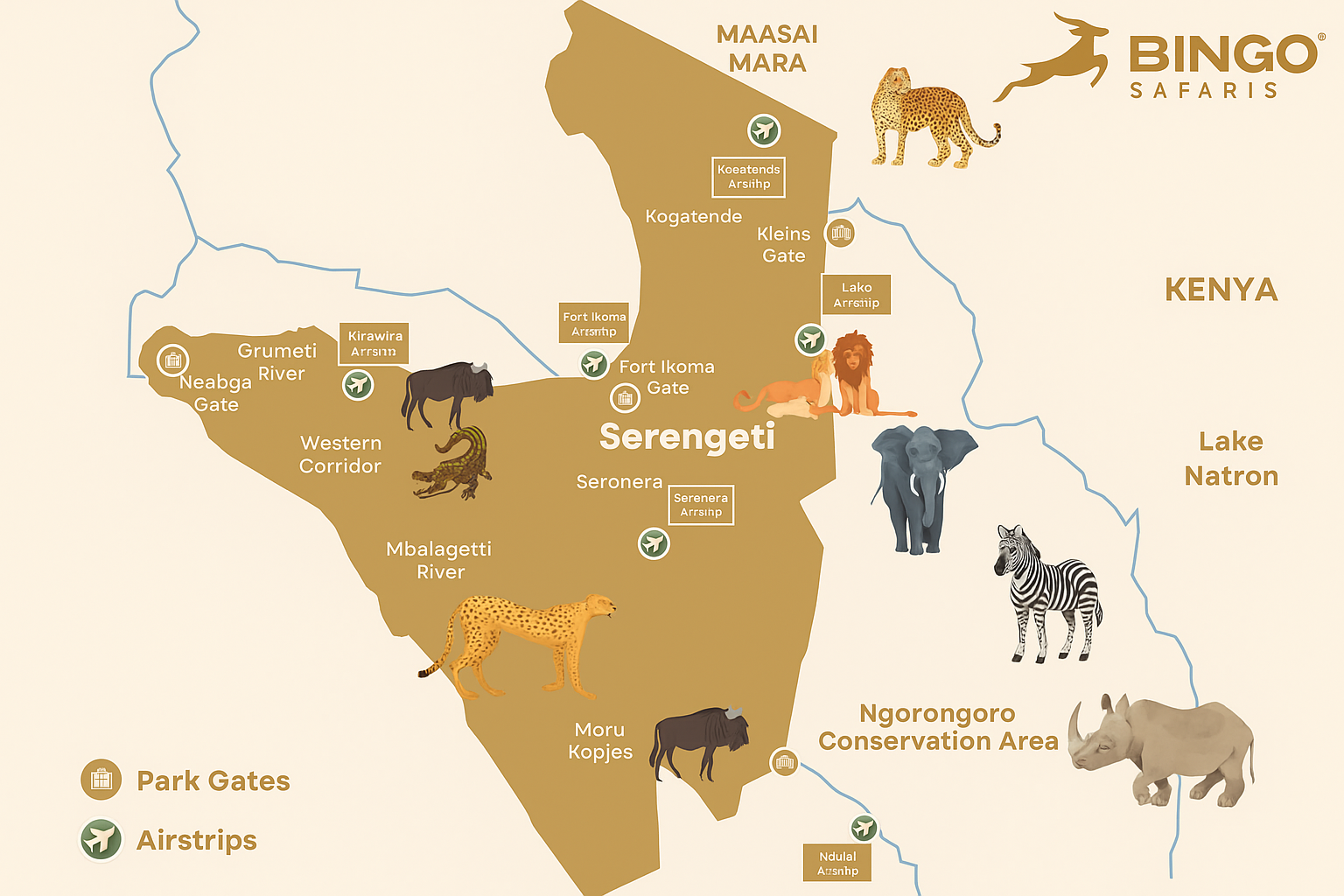
🌦️ Weather and Climate in the Serengeti | Bingo Safaris
The Serengeti National Park enjoys a mild, pleasant climate year-round, making it an ideal safari destination in any season. However, its weather patterns—divided mainly into dry and wet seasons—can influence your experience depending on what you want to see.
☀️ Dry Season (June to October)
Best for: Game viewing, predator activity, and clear skies
Temperature:
Daytime: 20–30°C (68–86°F)
Night: Can drop to 10°C (50°F), especially in the central Serengeti
What to Expect:
Minimal rainfall
Grass is short, making it easier to spot animals
Wildlife gathers around water sources—great for Big Five sightings
Peak season for safaris and photography
🌧️ Wet Season (November to May)
Best for: Birdwatching, lush landscapes, and the wildebeest calving season
Divided into:
Short rains: November to mid-December
Long rains: March to May
Temperature:
Daytime: 24–28°C (75–82°F)
Night: 14–18°C (57–64°F)
What to Expect:
Afternoon showers, mostly brief and refreshing
Fewer tourists, offering a more private safari experience
Landscapes are green and vibrant
January to March is calving season in the southern Serengeti—expect dramatic predator-prey interactions
🌄 Year-Round Travel Tips
Early mornings and evenings can be chilly, especially during game drives—pack layers.
Rain rarely ruins a safari, and the wildlife remains active throughout the year.
Depending on the time of year, different parts of the Serengeti offer unique highlights—Bingo Safaris can guide you to the right place at the right time.
✅ When Is the Best Time to Visit the Serengeti?
The “best time” depends on what you want to see:
🐾 June–October: Excellent wildlife viewing during the dry season
🐃 July–September: Wildebeest river crossings in the northern Serengeti
🐣 January–March: Calving season in the south—great for baby animals and predator action
🐦 November–April: Peak birdwatching with migratory species in the park
📍No matter the season, the Serengeti offers unforgettable safari experiences.
👉 Let Bingo Safaris help you choose the perfect time and place for your dream safari adventure.
✅ June – October (Dry Season)
Best for: General wildlife viewing, fewer mosquitoes, easy game spotting.
Highlights: Animals gather around rivers and waterholes; excellent time for safaris.
Weather: Warm days (~25°C / 77°F) and chilly mornings/nights.
✅ January – February (Calving Season)
Best for: Seeing thousands of wildebeest give birth on the southern plains.
Highlights: Predator action (lions, cheetahs, hyenas) as they follow the herds.
Weather: Mostly dry, though conditions can be unpredictable.
✅ June – July (River Crossings – Grumeti River)
Best for: Witnessing the dramatic Great Migration crossings in the Western Corridor.
Highlights: Wildebeest risk their lives against crocodiles while crossing rivers.
✅ August – September (River Crossings – Mara River)
Best for: The most spectacular Mara River crossings in the northern Serengeti.
Highlights: Iconic migration scenes with huge wildebeest herds.
✅ March – May (Long Rains)
Best for: Birdwatching, lush green landscapes, fewer tourists, and lower prices.
Highlights: Although wildlife is harder to spot, photographers love the vibrant scenery.
Weather: Heavy rains, cloudy skies, and muddy roads.
👉 Summary:
For the Great Migration – visit June to September.
For Calving & predator action – visit January to February.
For fewer crowds & lower rates – visit March to May.
It comes from the Maasai word Siringet, meaning “endless plains.”
By Road: Drive from Arusha (about 8 hours).
By Air: Daily flights connect Arusha, Dar es Salaam, and Zanzibar to Serengeti airstrips like Seronera, Kogatende, Grumeti, and Ndutu.
Classic game drives (morning, full-day, or evening).
Hot air balloon safaris at sunrise.
Walking safaris in select areas.
Cultural visits with Maasai communities.
Photographic safaris and birdwatching.
June – October: Dry season and best time to witness river crossings during the Great Migration.
December – March: Calving season in the southern Serengeti, with thousands of newborn wildebeests.
April – May: Green season with fewer tourists and lush landscapes.
Serengeti offers options for every traveler:
Luxury lodges & tented camps with top-class service.
Mid-range camps for comfort at a lower cost.
Budget camping for adventure travelers.
Yes. The herds move throughout the Serengeti in a circular pattern:
December–March: Calving in the south.
April–May: Moving north via central Serengeti.
June–July: River crossings in western Serengeti.
August–October: Dramatic Mara River crossings in the north.
November: Returning south.
The park covers about 14,750 km² (5,700 sq mi).
You can spot the Big Five (lion, elephant, buffalo, leopard, rhino), wildebeests, zebras, cheetahs, giraffes, crocodiles, and 500+ bird species.
Absolutely! Many lodges welcome children, and family-friendly safaris can be arranged. Some activities, like walking safaris, may have age restrictions.
Yes, most visitors require a Tanzania tourist visa, which can be obtained online or upon arrival.
Yes, most visitors require a Tanzania tourist visa, which can be obtained online or upon arrival.
Yes, popular add-ons include:
Ngorongoro Crater (World Heritage Site).
Tarangire & Lake Manyara (unique ecosystems).
Zanzibar beaches (relax after safari).
Mount Kilimanjaro treks for adventure seekers.
It is most famous for the Great Wildebeest Migration, one of the “Seven Natural Wonders of Africa,” where over 1.5 million wildebeests, zebras, and gazelles migrate in search of fresh pastures. It’s also home to one of the largest lion populations in the world.